Is Gym Grunting Real Effort? What the Breathing and Bracing Research Says

Jonathan Chu • November 10, 2026

Share this article

A short gym clip went viral on X this month with a simple complaint: some lifters move heavy weight in total silence, while others have to yell through every rep. The original post pulled hundreds of thousands of views, and the replies turned into a running argument about whether gym grunting is real effort or a show.


That argument is social media sentiment, not evidence. But there is real research on grunting, breathing and bracing, and it points to an answer most of the replies missed. The noise can help in some sports. On a heavy barbell lift, the part that does the work is the breath and the brace. The volume is optional.


What the grunting studies actually tested

The best-known test is a 2014 study by O'Connell and colleagues in the Journal of Strength and Conditioning Research. Thirty-two college tennis players, 16 men and 16 women, hit serves and forehands with and without grunting. Ball speed and isometric force were significantly higher when they grunted, and so was peak activity in the chest and oblique muscles. Gender and a player's grunting history didn't change the result.


A 2018 study by Sinnett, Maglinti and Kingstone in PLoS One reported that kicking force went up when a grunt was performed. It also found something else: people watching video of a mixed martial artist were slower and made more errors judging which way a kick was going when a simulated grunt was added. An earlier tennis study by the same lead author found the same kind of distraction effect from an extra sound at the moment of contact.


So in tennis and kicking, the research supports two real effects: a bit more force and speed for the person making the noise, and a distraction for the person watching. Neither study measured a squat, bench press or deadlift.


Two tennis rackets and tennis balls lying on a hard court

Most athletes believe it helps

Belief runs ahead of the data. In an online survey of 378 athletes published in the Journal of Voice in 2016, 56% said that using their voice during maximum effort gave them a performance advantage. The authors were clear that this was belief, and said the next step was to measure force with and without grunting directly.


You'll also see a claim floating around that controlled vocalization raises force by about 10%. We couldn't find that number in the studies checked for this post, so treat it as unverified. The classic 1961 shouting-and-strength study by Ikai and Steinhaus is often cited in these threads, but its PubMed listing has no abstract to confirm a figure, so this post doesn't quote one.


On a barbell, the brace does the work

When you take a big breath, tighten your midsection and hold it through a hard rep, you're doing a version of the Valsalva maneuver. A 2013 review by Hackett and Chow describes a brief Valsalva as unavoidable when lifting heavy loads, above about 80% of max, or lighter loads taken to failure. It raises the pressure inside your abdomen, which may help with spine stability and trunk rigidity.


How much pressure depends on the lift. A 2019 systematic review of 16 studies in Biology of Sport found the highest abdominal pressure during squats, over 200 mmHg, followed by deadlifts, rows and leg press at 161 to 176 mmHg. Bench press was lowest, at 79 mmHg on average.


Here's the key point for the grunting debate: you can build that pressure silently. A grunt is air escaping under effort. If it comes out early, at the bottom of a squat or before the bar leaves your chest, you're letting go of some of the pressure right when you need it most. Coaches often cue an inhale, a hard brace and then a controlled exhale through or after the sticking point. That cue is coaching practice built on the bracing research, not something these studies tested rep by rep.


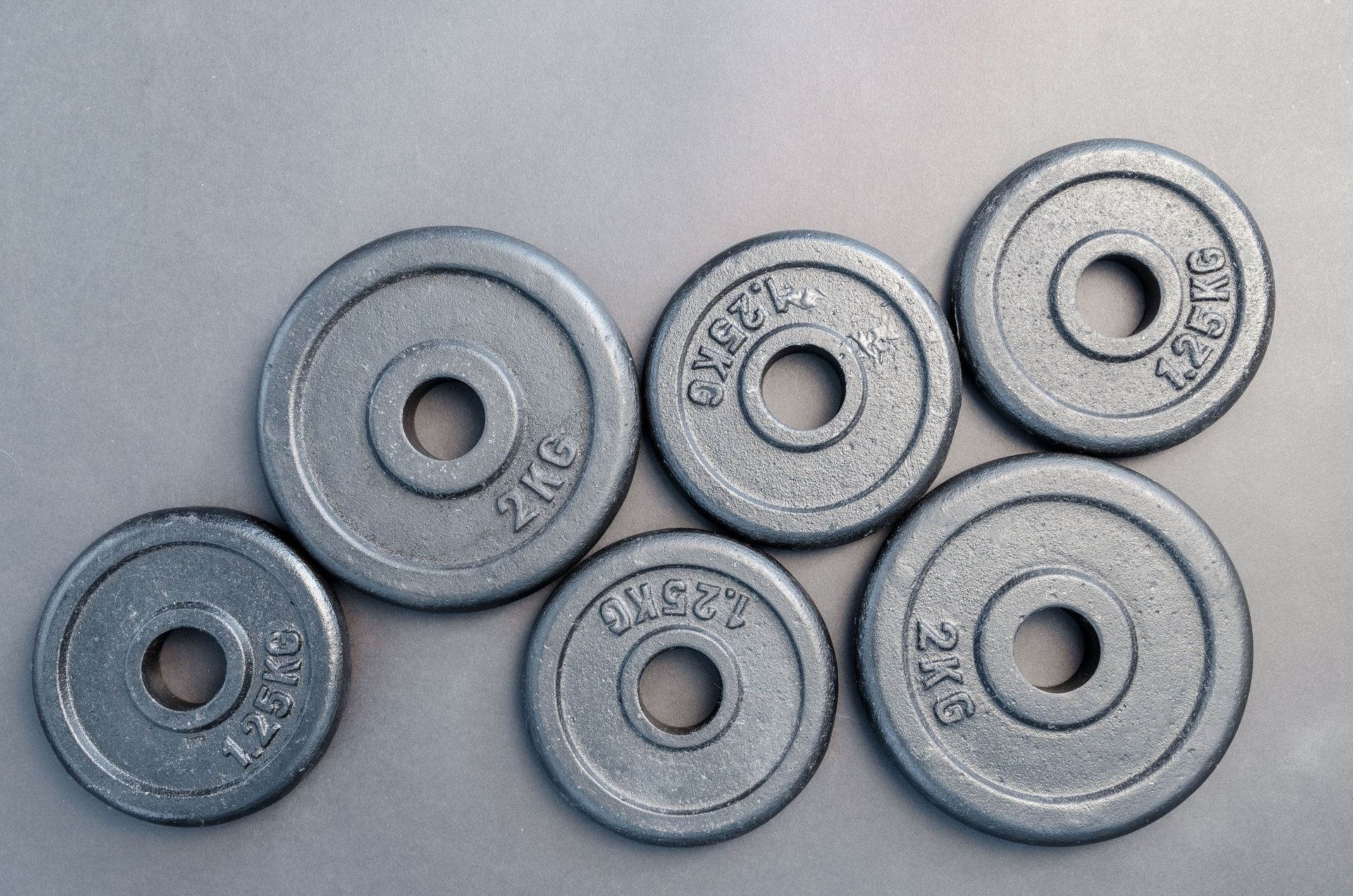
Six iron weight plates laid flat on the floor

Is breath-holding dangerous?

The internet answer is "never hold your breath when you lift." The research is more measured. The same Hackett and Chow review found that the Valsalva maneuver raises blood pressure during resistance exercise, and also concluded that its health risks during lifting "remain unconfirmed."


That's not a free pass for everyone. If you have high blood pressure, a heart condition, or another medical reason to watch pressure spikes, talk to your doctor before heavy bracing. The Blazek review's authors suggested bench press and rows for beginners and people with hypertension, and gradual progression for untrained lifters before heavy squats, deadlifts and cleans. That is a general suggestion from a review, not individual guidance; your doctor can advise what is appropriate for you. This post isn't medical advice.


So is grunting real effort or a show?

It can be either. The studies give it some credit in fast, explosive movements like serves and kicks. On a true max or the last rep of a hard set, a sound escaping as you grind through is normal, and in a shared gym, short and controlled tends to be more welcome than loud and theatrical.


What doesn't hold up is the idea that more noise means more muscle. Nothing in these studies links grunting to growth, and a loud set of light curls isn't harder because it's louder. If you want to know whether a set was hard, look at how close you got to failure and whether your weights and reps are moving up over time. Our breakdown of low-volume, hard-set training covers that in more detail.


How to use this in your training

These are coaching suggestions drawn from the research above, not a tested protocol.


Breathe and brace before the hard part. On squats and deadlifts, take your breath and tighten your midsection before you start the rep, not halfway down.


Don't spend your air early. Many coaches suggest keeping the brace through the hardest part of the rep, because exhaling at the bottom may release some of that pressure. Find a breathing pattern you can repeat safely, and get medical advice first if breath-holding is a concern for you.


Match the brace to the lift. Heavy squats and deadlifts produce the most pressure. Lighter sets and pressing movements usually need less, and you can breathe more freely between reps.


Keep your focus on the movement. On heavy compound lifts, many lifters prefer outcome cues like "push the floor away" over thinking about a single muscle, as we covered in our look at the mind-muscle research.


If you fight or play a striking sport, the exhale is part of the technique. A sharp breath out on a strike is common in Muay Thai and boxing, and the kicking study suggests it may add force. Train it on pads and bags, where it belongs.


The bottom line

Grunting isn't fake, and it isn't magic. In tennis and kicking studies it added force and speed, and it distracted people watching. On the barbell, the breath and the brace carry the load, and you can do both quietly. Brace hard, keep your air until you're through the sticking point, and let the weight on the bar show the effort.


If you want a simple place to start building habits that last, get The Doctrine of Becoming, a free 21-day reset of practices you adapt into your own lifestyle. If you want a coach to program your lifts and check your technique, see coaching, $99/month.

Recent Posts

Scoop of white protein powder on a teal blue background
By Jonathan Chu • November 16, 2026
Can you build muscle with no supplements? What the research says about protein powder, creatine, caffeine and pre-workout, and what's just marketing.
Two bottles of cooking oil on a light kitchen counter
By Jonathan Chu • November 15, 2026
Are seed oils poison? What the old trials, big reviews and inflammation studies show, and why fried takeout matters more than your cooking oil.
A neatly made bed in a softly lit bedroom
By Jonathan Chu • November 14, 2026
Testosterone in men looks to be falling, but the viral fixes miss. What studies show on sleep, body fat and lifting, and when to get bloodwork.
Colorful healthy vegetables and vegetables including peppers, broccoli and cauliflower representing
By Jonathan Chu • November 14, 2026
Deficit, protein, lifting and walking really are most of fat loss. Here's what the research shows for each, and why sleep belongs on the list.
Barbell and weight rack in an empty gym
By Jonathan Chu • November 12, 2026
A new trial put people on tirzepatide with or without weight training. Weight loss was the same, but strength went in opposite directions.
Close-up of a cable machine and weight stack in an empty gym.
By Jonathan Chu • November 11, 2026
A viral post says skip triceps for a better physique. What studies on compound lifts, isolation work and overhead extensions actually show.
Dumbbells on a gym rack
By Jonathan Chu • November 9, 2026
Does focusing on a muscle help it grow? What small trials, bench-press activity data and rep-tempo research can—and cannot—tell you.
Loaded barbell resting on an empty gym floor, black and white
By Jonathan Chu • November 8, 2026
Is FFMI 25 really the natural limit? What the research shows, what it can't prove, and why enhanced physiques are a poor benchmark for your progress.
Empty squat rack with a barbell on the pins in soft gym light
By Jonathan Chu • November 7, 2026
Can fewer sets build muscle? What volume research says about growth, effort, and diminishing returns, plus how to assess a shorter lifting program.
Empty stationary bikes in a quiet gym cardio corner, soft light, no people
By Jonathan Chu • November 6, 2026
Zone 2 isn't dead—Attia refined it for your clock. Here's when easy cardio still wins and when limited hours need harder work.
Show More