On a GLP-1? What the New Tirzepatide Lifting Trial Actually Found

Jonathan Chu • November 12, 2026

Share this article

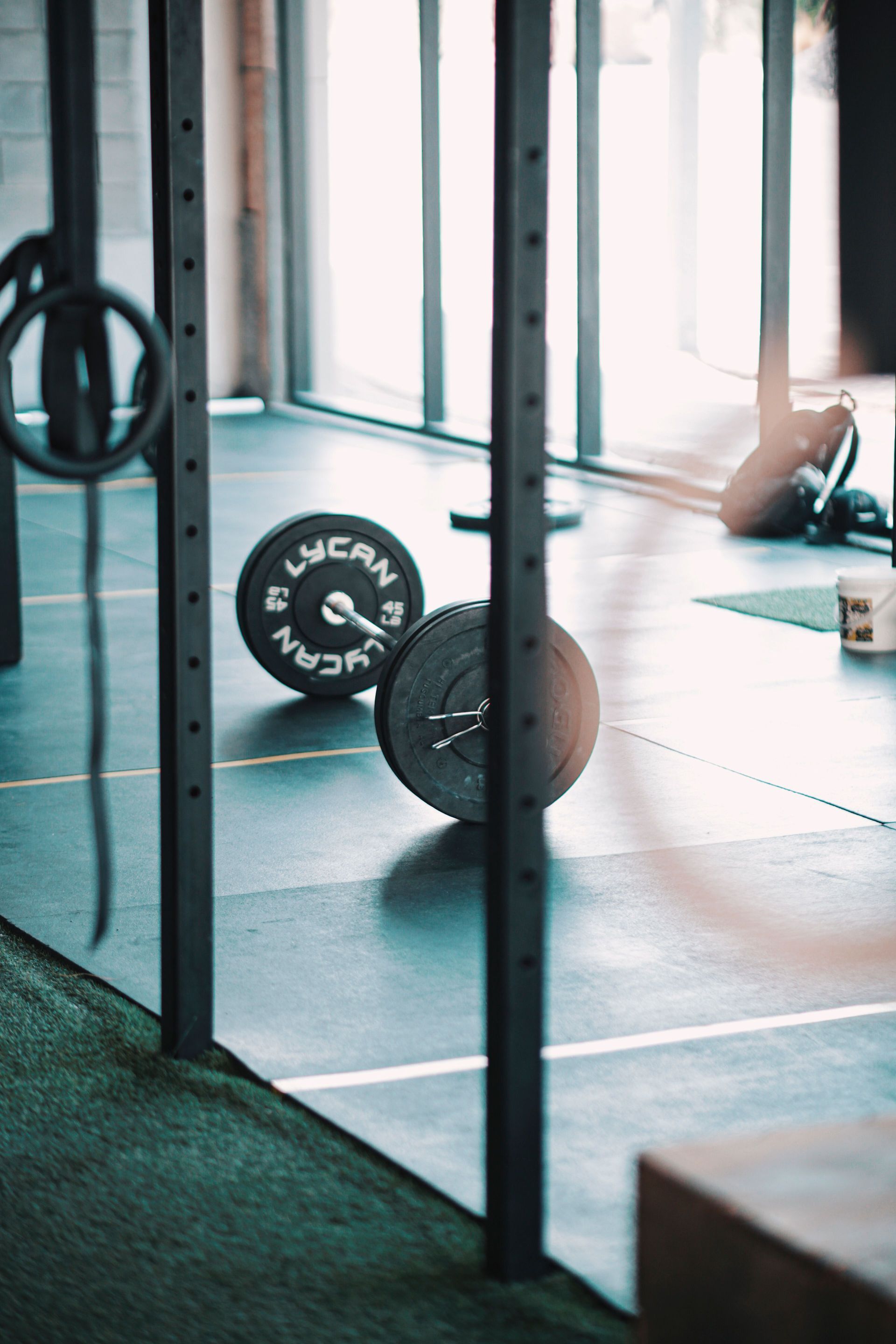
Close-up of black weight plates on a barbell in a gym

A chart from a new study spread fast on X this week. Two groups of people lost almost exactly the same amount of weight on the same drug. One group got weaker. The other got stronger. Cardiologist Eric Topol shared the results, and the replies filled up with versions of the same line: same drug, same weight loss, opposite strength.

This article is for education only and isn't medical advice. Talk to your doctor before starting, stopping or changing any medication.

The study is the T-REx trial, published in Nature Medicine on November 9 by researchers at the University of Western Australia. It's the first randomized trial to test supervised weight training alongside tirzepatide, the drug sold as Mounjaro and Zepbound. Here's what it found, what it didn't, and what it means for anyone trying to lose fat, with or without a prescription.

A quick note before we start: this post is about training, not medication. Whether to start, stop or change any weight-loss drug is a decision for you and your doctor.

What the study did

The researchers recruited 120 adults aged 50 to 70, half men and half postmenopausal women. All of them had obesity, or were overweight with a weight-related health problem, and none had diabetes. They were mostly inactive going in.

Everyone got tirzepatide for 40 weeks, with the dose stepped up over time. Half were randomly assigned to also do three supervised, one-hour weight training sessions a week. The program used squats, deadlifts, leg presses, lat pulldowns, chest presses, shoulder presses and curls, and it got gradually harder over the 40 weeks. The other half carried on with their usual activities.

Body composition was measured with DXA scans every eight weeks, and strength was tested with one-rep max tests on the bench press, lat pulldown and knee extension.


Close-up of a loaded barbell showing the knurled grip section

The scale said both groups did the same

If you only looked at body weight, you'd say lifting made no difference. The drug-only group lost an average of about 49.8 lb. The lifting group lost about 49.1 lb. Fat loss was also statistically the same: about 37.9 lb versus 39.6 lb.

This is where the "lifting is pointless" replies came from. But weight and fat weren't the only things the study measured.

Lifting kept more lean mass

Both groups lost lean mass, which is expected during big weight loss. The drug-only group lost about 10.3 lb of lean soft tissue. The lifting group lost about 7.9 lb. That's a difference of roughly 2.4 lb, or close to a quarter less lean loss with training. The UWA announcement rounds it to "25 per cent less."

Two details keep this honest. First, lifting didn't stop lean loss. It reduced it. Second, "lean soft tissue" on a DXA scan isn't the same as muscle. It also includes water and organs. The authors estimate that skeletal muscle makes up about half of total lean soft tissue, so the muscle-specific numbers are smaller than the headline ones.

Strength went in opposite directions

This is the result that went viral, and it's the cleanest finding in the paper.

In the drug-only group, strength dropped on every test: bench press fell about 9 lb (8.4%), lat pulldown about 10 lb (6.5%) and knee extension about 10 lb (9.0%).

In the lifting group, strength went up on every test: bench press rose about 10 lb (10.7%), lat pulldown about 19 lb (15.7%) and knee extension about 13 lb (17.5%).

So the net gap between the groups was roughly 19% to 23% depending on the lift. Same drug, nearly identical weight loss, and one group finished clearly stronger than it started.


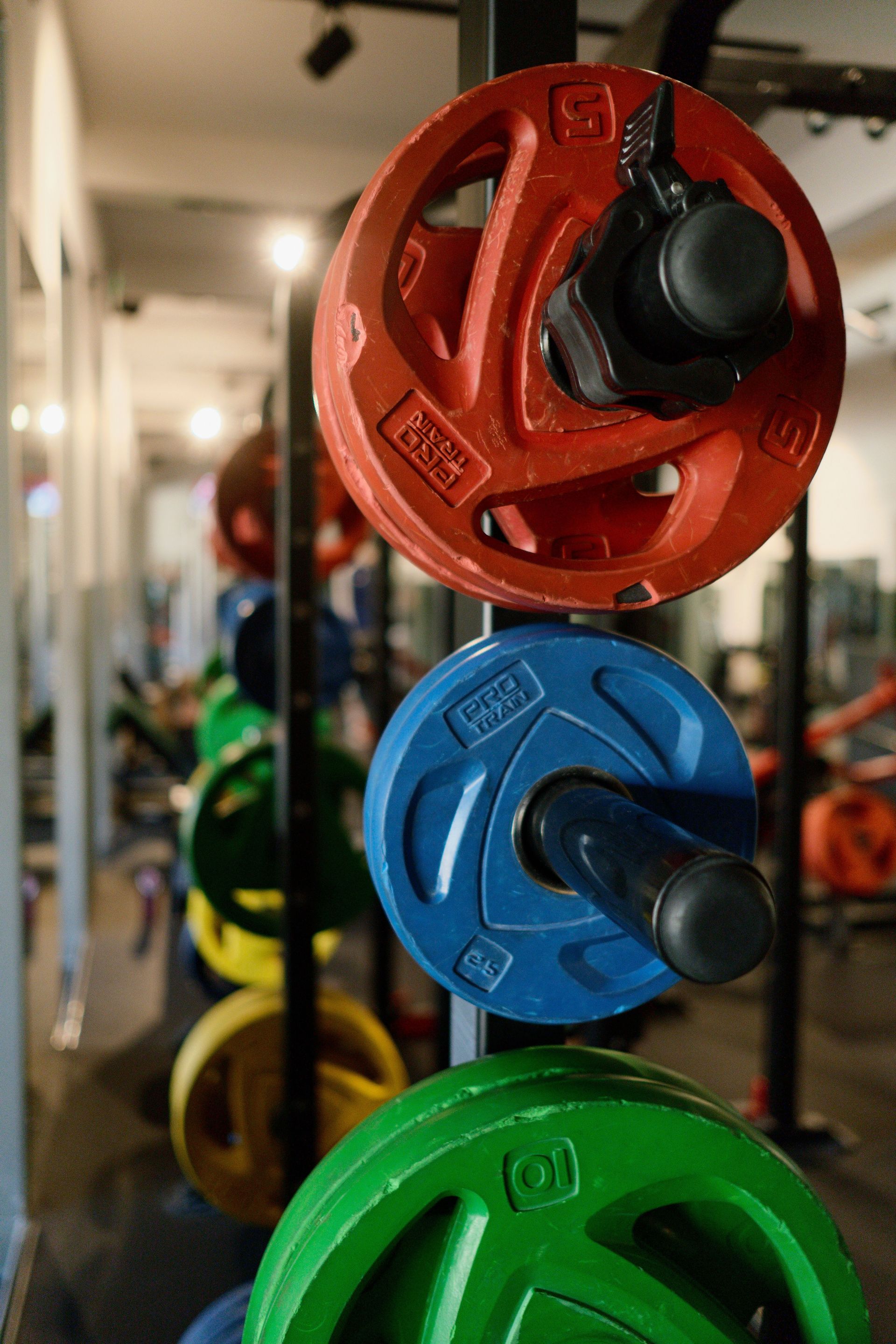
Blue and orange weight plates loaded on a barbell in a gym

How solid is it?

It's a well-designed trial with a few limits worth knowing.

The strengths. It was randomized, it lasted 40 weeks, which is long for an exercise study, and 93% of participants finished. Adherence to the lifting sessions was 91%. The DXA scans were analyzed by someone who didn't know which group each person was in.

The limits. The people testing strength weren't blinded, though the authors say they followed the same standardized protocol for everyone. Eli Lilly, which makes tirzepatide, supplied the drug for free but, according to the paper and UWA, had no other role in running the trial. Several authors disclosed speaker fees from drug companies.

The biggest caveat: who was studied. These were sedentary adults in their 50s and 60s with obesity, under close supervision. The exact numbers don't automatically apply to a 25-year-old who already trains. And 91% attendance at supervised group sessions is better than most people manage on their own.

Why this matters if you're not on a GLP-1

The study was about a drug, but the lesson is older than the drug. The lead researcher, Professor Danny Green, put it this way in the UWA release: "Loss of lean mass, including muscle, is an inevitable part of weight loss by any method." T-REx didn't test diet alone, but by that logic a big calorie deficit without a drug raises the same question.

What T-REx adds is a clear picture of how misleading the scale can be. Two groups dropped about the same 49 lb on average and finished in very different shape: one weaker, one stronger. If your only measure of a cut is the number on the scale, you can't tell which group you're in.

It's also worth knowing what happens after. In the STEP 1 trial extension, people who stopped semaglutide regained about two-thirds of the weight they'd lost within a year. That study didn't test lifting, so it doesn't show training prevents regain. But it's a reason to care about more than the number you reach: the strength and training habits you build during a cut are worth protecting either way.

How to use this during any cut

These are practical takeaways from the study, not a medical plan. If you're on a weight-loss medication, check with your doctor before starting a new training program.

Keep lifting through the whole cut. The study group trained three times a week for the full 40 weeks. Consistency over months was the point, not any single workout.

Track strength, not just weight. Log a few main lifts. If the scale is dropping but your lifts are holding or climbing, that's a good sign. If everything is falling, it's worth a closer look at your training and food.

Train the big movement patterns. The study program covered squats, hinges, pushes and pulls for the whole body. You don't need a complicated split. Our guide to low-volume, hard-set training shows how to get real work done in a few sessions a week.

Don't neglect protein. Everyone in the trial was told to maintain their protein intake. Our breakdown of how much protein you need to build muscle covers what the research suggests.

Keep your cardio, but don't let it replace lifting. If you want both, our post on combining lifting and cardio covers how to fit them together.

The bottom line

The T-REx trial didn't show that lifting adds fat loss on tirzepatide. It showed something more useful. Lifting cut lean-mass loss by about a quarter and turned a 6% to 9% strength loss into a 10% to 18% gain, while the scale moved the same either way. Lighter was never the whole point. Whether you're cutting with a prescription or without one, keep lifting, keep your protein up, and judge your progress by what you can do, not just what you weigh.

If you want a simple place to start building habits that last, get The Doctrine of Becoming, a free 21-day reset of practices you adapt into your own lifestyle. If you want a coach to build your training around your goals during a cut, see coaching, $99/month.


Recent Posts

Scoop of white protein powder on a teal blue background
By Jonathan Chu • November 16, 2026
Can you build muscle with no supplements? What the research says about protein powder, creatine, caffeine and pre-workout, and what's just marketing.
Two bottles of cooking oil on a light kitchen counter
By Jonathan Chu • November 15, 2026
Are seed oils poison? What the old trials, big reviews and inflammation studies show, and why fried takeout matters more than your cooking oil.
A neatly made bed in a softly lit bedroom
By Jonathan Chu • November 14, 2026
Testosterone in men looks to be falling, but the viral fixes miss. What studies show on sleep, body fat and lifting, and when to get bloodwork.
Colorful healthy vegetables and vegetables including peppers, broccoli and cauliflower representing
By Jonathan Chu • November 14, 2026
Deficit, protein, lifting and walking really are most of fat loss. Here's what the research shows for each, and why sleep belongs on the list.
Close-up of a cable machine and weight stack in an empty gym.
By Jonathan Chu • November 11, 2026
A viral post says skip triceps for a better physique. What studies on compound lifts, isolation work and overhead extensions actually show.
Loaded barbell on the floor of an empty gym
By Jonathan Chu • November 10, 2026
Is grunting in the gym real effort or a show? What studies on grunting, breathing and bracing show, and how to brace for heavy lifts.
Dumbbells on a gym rack
By Jonathan Chu • November 9, 2026
Does focusing on a muscle help it grow? What small trials, bench-press activity data and rep-tempo research can—and cannot—tell you.
Loaded barbell resting on an empty gym floor, black and white
By Jonathan Chu • November 8, 2026
Is FFMI 25 really the natural limit? What the research shows, what it can't prove, and why enhanced physiques are a poor benchmark for your progress.
Empty squat rack with a barbell on the pins in soft gym light
By Jonathan Chu • November 7, 2026
Can fewer sets build muscle? What volume research says about growth, effort, and diminishing returns, plus how to assess a shorter lifting program.
Empty stationary bikes in a quiet gym cardio corner, soft light, no people
By Jonathan Chu • November 6, 2026
Zone 2 isn't dead—Attia refined it for your clock. Here's when easy cardio still wins and when limited hours need harder work.
Show More