Do You Need Supplements to Build Muscle? What the Research Says

Jonathan Chu • November 16, 2026

Share this article

"Are there people who raw-dog the gym? No supplements, no creatine, no pre-workout. Just training and food?" That question pulled close to a million views on X this week, and thousands of guys answered "yep, me." Around the same time, a viral post claimed two eggs isn't enough protein for breakfast, and memes about creatine getting "banned" were everywhere.


So which is it? Do you need a shelf full of tubs to build muscle, or is all of it a cash grab? The research lands somewhere more useful than either side. Each point below is labeled established (consistent findings from reviews or expert consensus), emerging (real data with real limits) or expert interpretation (our read of what it means for you).


This is general information, not medical advice. If you have a heart condition, high blood pressure or take medication, check with your doctor before adding any supplement, including caffeine.


1. Food and training do the heavy lifting (established)

In 2018 the International Olympic Committee brought together sports nutrition researchers and anti-doping experts to review supplements for elite athletes. Their consensus statement says nutrition makes a small but valuable contribution to performance, and supplements make "a minor contribution" on top of that. They also advise a complete nutrition assessment before deciding to use supplements at all.


Out of the huge number of products sold to improve performance, the panel found good evidence for only a few: caffeine, creatine, specific buffering agents and nitrate. Even for those, results vary from person to person.


That's elite athletes, the people with the most to gain from a 1% edge. For a guy lifting three or four days a week, the priority list is even clearer: train hard and consistently, eat enough protein and total food, and sleep. The raw-dog crowd is right that none of that comes in a tub.


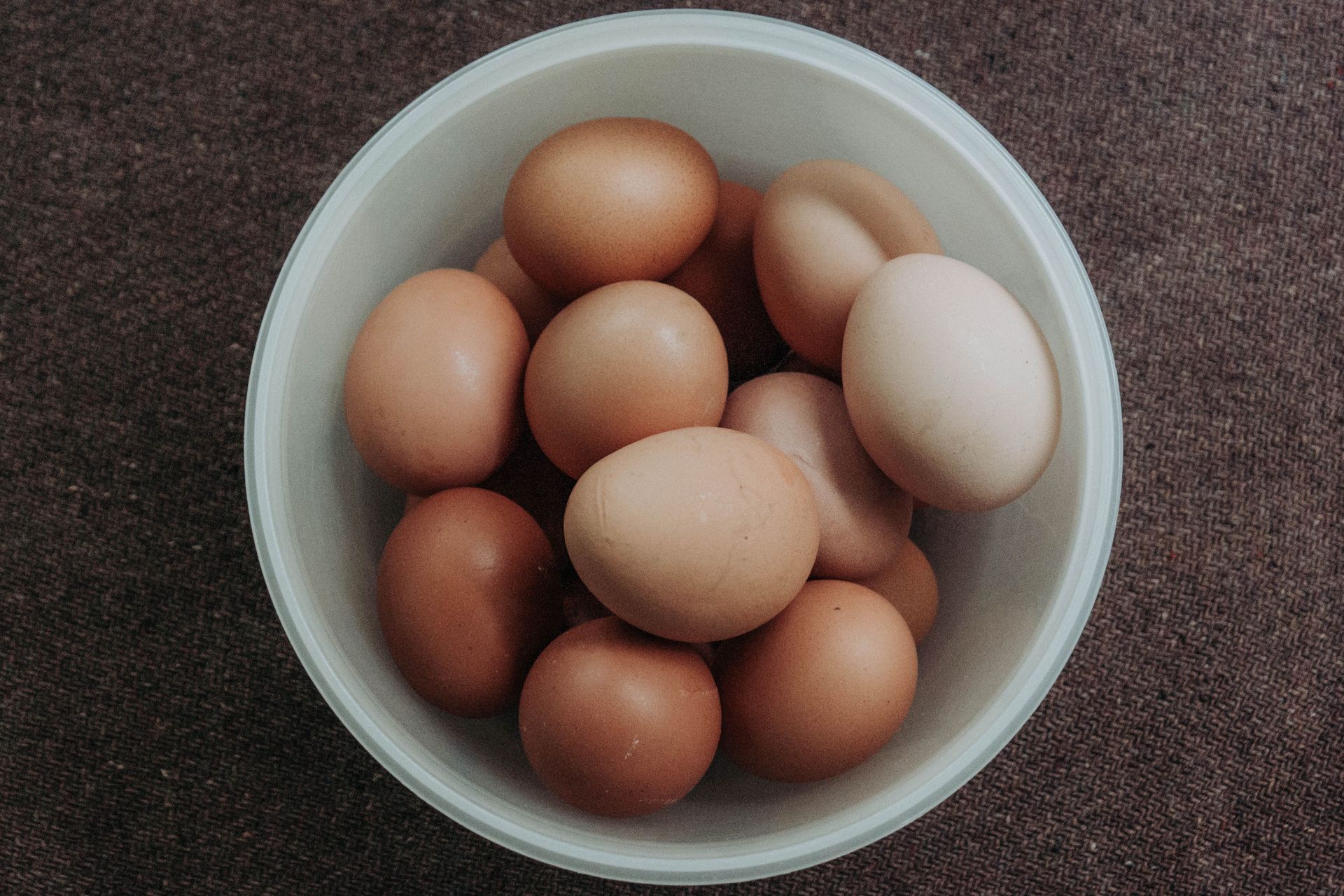
White bowl of brown eggs on a dark woven cloth

2. Protein powder is protein, not magic (established)

Protein shakes are the supplement most people assume they need. A 2018 meta-analysis in the British Journal of Sports Medicine pooled 49 randomized trials with 1,863 people doing resistance training. Adding protein helped: on average about 0.66 lb more fat-free mass and about 5.5 lb more on a one-rep max over the training period.


Those are modest averages, and the bigger finding is where the benefit stopped. Once total daily protein reached about 1.6 g per kg of body weight (roughly 0.7 g per pound), extra protein added no further gains in fat-free mass. The study doesn't care whether that protein came from a shake or from chicken, eggs, Greek yogurt and beans.


That's also why the "two eggs isn't enough" fight misses the point. Breakfast matters less than what you eat across the whole day. If food gets you to your daily target, a shake is convenience, not a requirement. Our post on how much protein you need to build muscle walks through the numbers.


3. Creatine has the deepest evidence, and it isn't banned (established)

If one supplement has earned its reputation, it's creatine monohydrate. The International Society of Sports Nutrition's 2017 position stand reports that studies consistently show creatine raises muscle creatine levels and improves high-intensity exercise performance, which leads to better training adaptations. It also reports that doses up to 30 g a day for five years were safe and well tolerated in healthy people.


About the "ban": California's AB 2030 will require ID and limit sales of creatine and some diet supplements to minors starting in January 2027, according to local news coverage. That's an age limit on sales. Adults can still buy it.


Creatine is optional. You can build plenty of muscle without it. But it's the one product on the shelf with strong evidence behind it. Our creatine breakdown covers what it does and doesn't do.


Cup of coffee with latte art in a teal cup and saucer

4. The pre-workout that works is mostly caffeine (established)

Of the common pre-workout ingredients, caffeine is one of the few on the IOC short list. The ISSN's 2021 position stand on caffeine found that it improves exercise performance in many, but not all, studies (including caffeinated pre-workouts and energy drinks), with small to moderate benefits for strength, sprinting and jumping. The most consistent benefits showed up in endurance exercise.


The studies that found benefits used 3 to 6 mg per kilogram of body weight (about 1.4 to 2.7 mg per pound), usually taken around an hour before exercise. Very high doses, around 9 mg per kilogram, came with a high rate of side effects and weren't needed for the effect. Caffeine can also hurt sleep and raise anxiety in some people, and sleep matters more for your progress than any pre-workout. Coffee counts as caffeine.


One hard warning: stay away from pure or highly concentrated caffeine powder. The FDA says one teaspoon can contain as much caffeine as 28 cups of coffee, a toxic amount that can cause a dangerously erratic heartbeat, seizures and death.


5. The risk that isn't on the label (emerging)

Contamination is a documented problem. In a study by an IOC-accredited lab, researchers bought 634 non-hormonal supplements from 215 suppliers in 13 countries. Of those, 94 (14.8%) contained anabolic steroids that weren't on the label.


The big caveat: those products were bought in 2000 and 2001, so the number tells you the problem is real, not what today's rate is. The practical takeaway still holds. Every extra product you take is another chance to swallow something you didn't sign up for. Fewer products means fewer chances.


6. What this means for you (expert interpretation)

Here's how we'd prioritize it:


Get the basics right first. Train consistently with progressive overload, hit your daily protein from food, eat enough overall and sleep. That's what builds muscle. No supplement makes up for missing those.


Then, if you want, consider the short list. Creatine and the caffeine you may already drink in coffee are the two with the most evidence for lifting. A protein shake is fine when food is inconvenient. Nothing beyond that is needed for most guys.


Be skeptical of the rest. Fat burners, "test boosters" and proprietary blends sit outside the short list the IOC found good evidence for, and every extra product adds cost and contamination risk. If you train natural, that matters. Our post on natural muscle limits covers what training alone can build.


The bottom line

You can absolutely build muscle "raw." Food, training and sleep do most of the work, and a protein shake only helps if it gets you to a daily total you weren't reaching. Creatine and caffeine are the two worth considering if you want a small edge. Most of the rest of the shelf is marketing, and some of it carries risk.


If you want a simple place to start building better daily habits, get The Doctrine of Becoming, a free 21-day reset of practices you adapt into your own lifestyle. If you'd rather have a coach build your training and nutrition around your goals, see coaching, $99/month.


Recent Posts

Two bottles of cooking oil on a light kitchen counter
By Jonathan Chu • November 15, 2026
Are seed oils poison? What the old trials, big reviews and inflammation studies show, and why fried takeout matters more than your cooking oil.
A neatly made bed in a softly lit bedroom
By Jonathan Chu • November 14, 2026
Testosterone in men looks to be falling, but the viral fixes miss. What studies show on sleep, body fat and lifting, and when to get bloodwork.
Colorful healthy vegetables and vegetables including peppers, broccoli and cauliflower representing
By Jonathan Chu • November 14, 2026
Deficit, protein, lifting and walking really are most of fat loss. Here's what the research shows for each, and why sleep belongs on the list.
Barbell and weight rack in an empty gym
By Jonathan Chu • November 12, 2026
A new trial put people on tirzepatide with or without weight training. Weight loss was the same, but strength went in opposite directions.
Close-up of a cable machine and weight stack in an empty gym.
By Jonathan Chu • November 11, 2026
A viral post says skip triceps for a better physique. What studies on compound lifts, isolation work and overhead extensions actually show.
Loaded barbell on the floor of an empty gym
By Jonathan Chu • November 10, 2026
Is grunting in the gym real effort or a show? What studies on grunting, breathing and bracing show, and how to brace for heavy lifts.
Dumbbells on a gym rack
By Jonathan Chu • November 9, 2026
Does focusing on a muscle help it grow? What small trials, bench-press activity data and rep-tempo research can—and cannot—tell you.
Loaded barbell resting on an empty gym floor, black and white
By Jonathan Chu • November 8, 2026
Is FFMI 25 really the natural limit? What the research shows, what it can't prove, and why enhanced physiques are a poor benchmark for your progress.
Empty squat rack with a barbell on the pins in soft gym light
By Jonathan Chu • November 7, 2026
Can fewer sets build muscle? What volume research says about growth, effort, and diminishing returns, plus how to assess a shorter lifting program.
Empty stationary bikes in a quiet gym cardio corner, soft light, no people
By Jonathan Chu • November 6, 2026
Zone 2 isn't dead—Attia refined it for your clock. Here's when easy cardio still wins and when limited hours need harder work.
Show More